Everest Three Pass Trek Clockwise
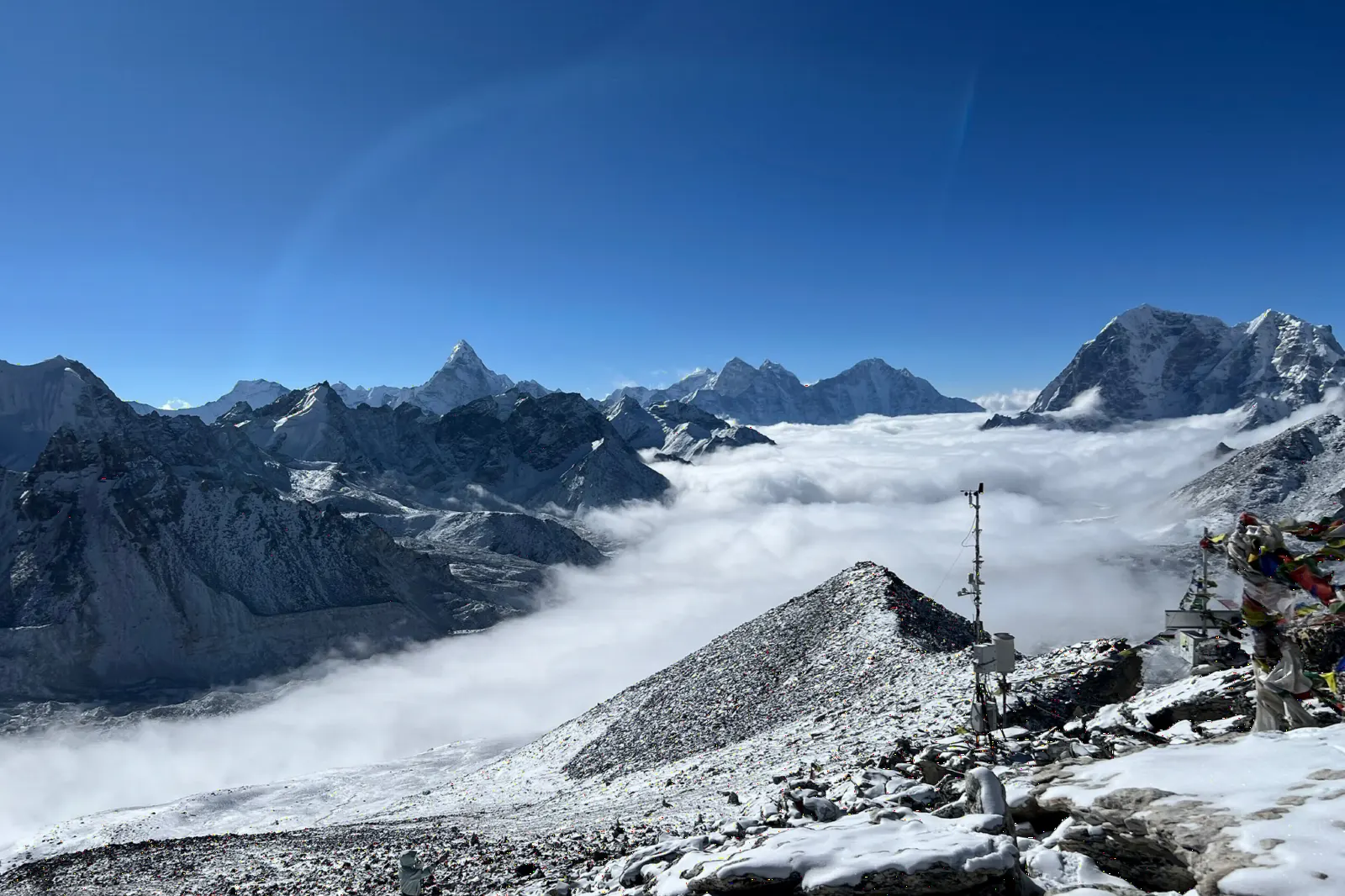
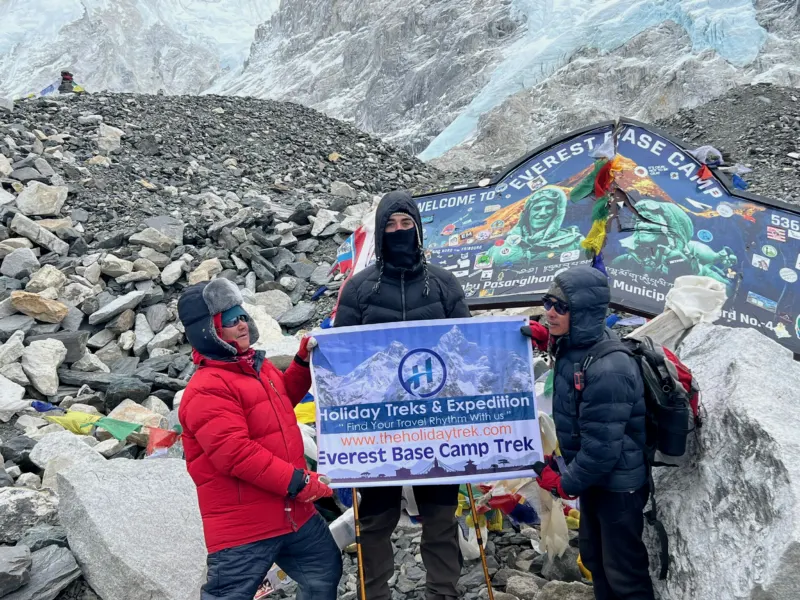
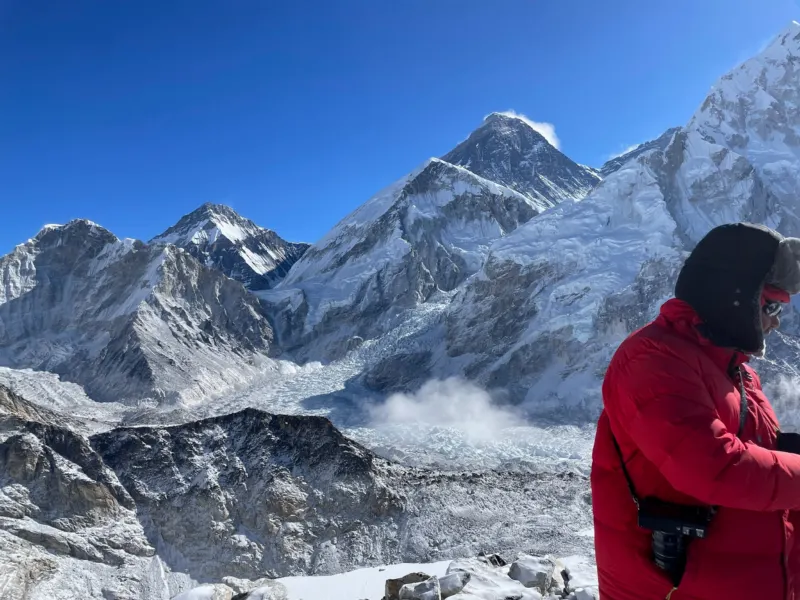
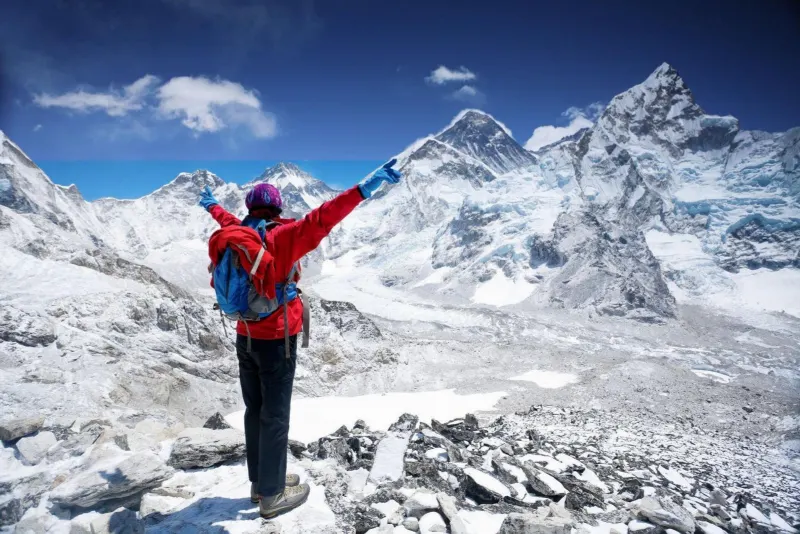
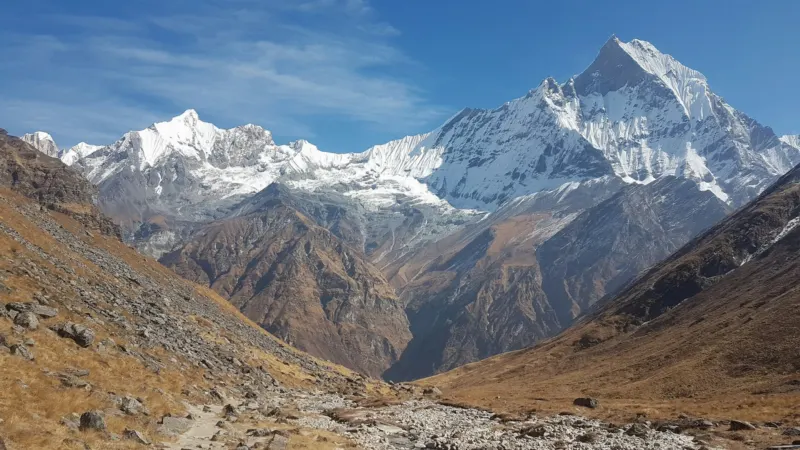
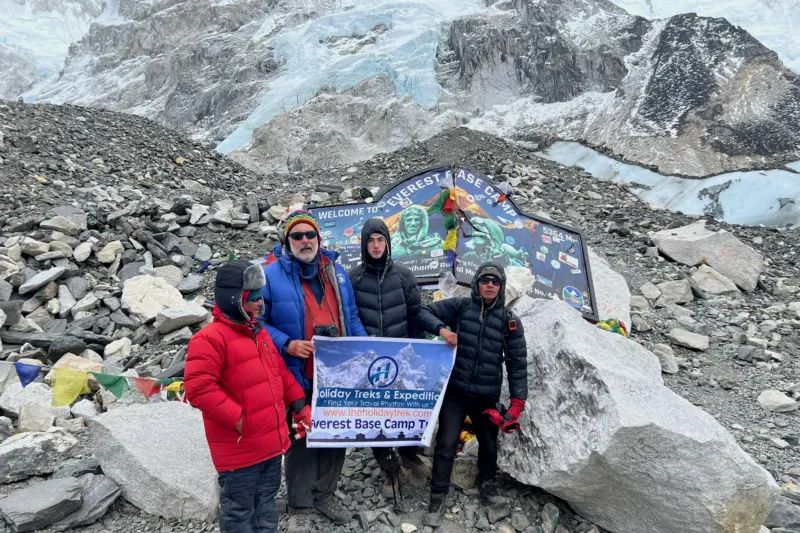
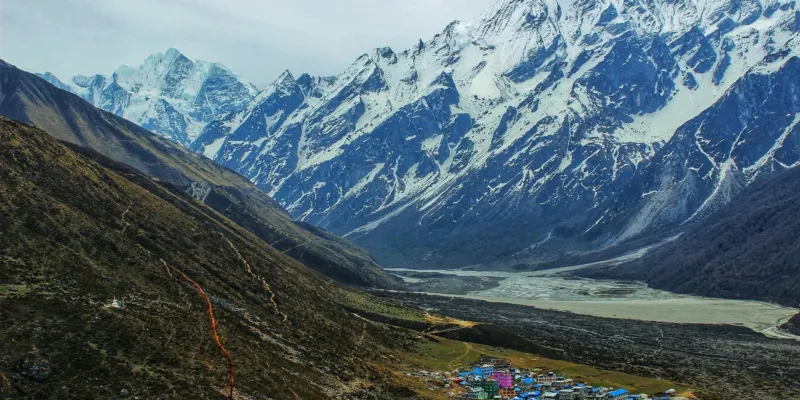
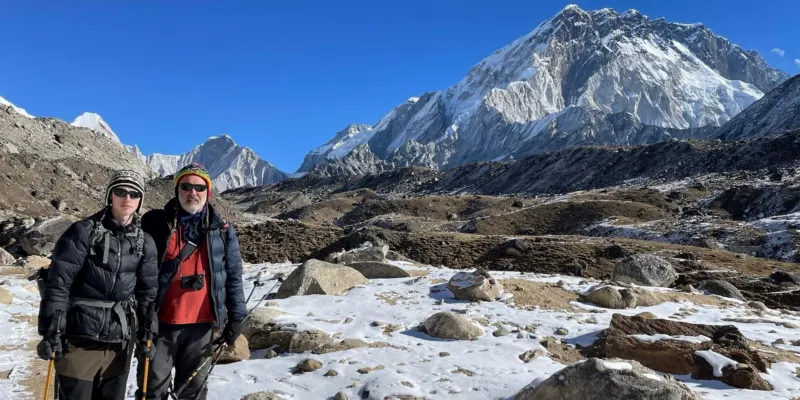
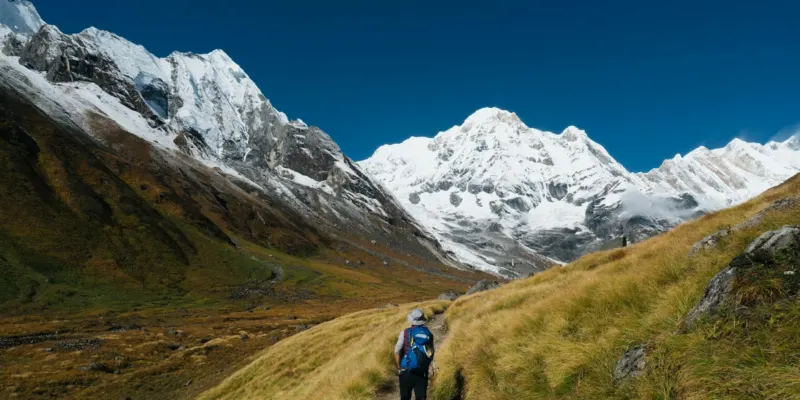
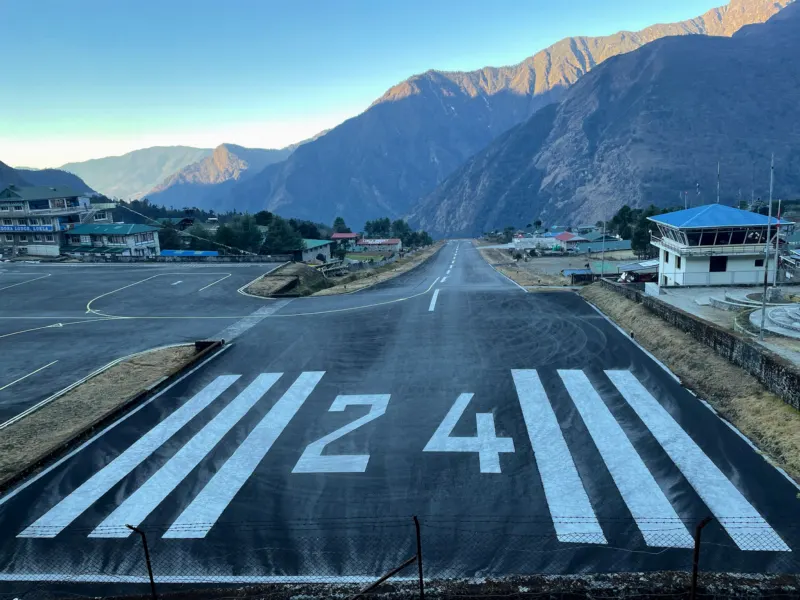
Mt. Everest is the highest mountain in the world also said to be top of the world. It lies on the border between Nepal and the Tibet Autonomous Region of China, at 27°59′ N 86°56′ E. Reaching an elevation of 29,032 feet (8,849 m). It is one of the most popular and adventurous treks in the world. The Everest Three pass Trek clockwise offers spectacular views of the highest mountain peak in the world along with many other snow-capped Himalayan mountains. Mount Everest, with its peerless height of 8849 m, has its own charm which allures trekkers to witness its beautiful icy faces, and climbers to scale its glorious height. Therefore, Everest three pass trek clockwise has become one of the most popular, thrilling and daring trekking destinations. The strenuous traveling will paint a vivid picture of the arid landscape, arctic conditions, and ongoing human struggle in high elevations. You can learn more about the Sherpa people's culture and way of life while on this trek; they are well-known for being world-class mountaineers.The most challenging and memorable journey, Clockwise Everest High Passes Trek, combines the three high passes of the Everest region: Renjo La Pass, Cho La Pass, and Kongma La Pass. The most breathtaking and astonishing views of the majestic exceeding mountains and stunning isolated valleys are offered by these three high passes. You may experience the breathtaking views of Mount Everest, Cho Oyo, Makalu, Amadablam, Lhotse, and many more peaks from these passes. Additionally, you will appreciate the views of Gokyo Valley and Gokyo Lake as well as glaciers like the Ngozumpa and Khumbu glaciers from the passes. You will pass through the thick rhododendron and pine forest, Dudh Koshi Valley, Sagarmatha National Park, waterfalls, and lovely Sherpa villages on this Everest High Passes Trek Clockwise.A fantastic 45-minute flight from Kathmandu to Lukla or Ramecchap to Lukla , kicks off you 18-day Everest High Passes Trek Clockwise. You will trek to Phakding after your flight and arrive in Namche Bazaar after crossing several suspension bridges. Everest High Passes Clockwise Trekking will continue after a day of relaxation in Namche by hiking to Thame and then Lumde via Marulung. Lumde will be left behind as you pass through Renjo La Pass to the Gokyo. Cho Oyu, Lhotse, Makalu, and Everest from Gokyo Ri can be seen which is reached by a short hike from Gokyo and then continue your trek from Gokyo to Thangnag by crossing Ngozumpa Glacier. After passing through Cho La Pass, will arrive in Dzongla. You will see the memorial sculptures of climbers who died while ascending Everest as you continue from Dzongla to Lobuche. Your next stop will be Gorakshep, where you may walk to Everest Base Camp before continuing on to Lobuche. By bypassing Kongma La Pass, you will reach Chhukung. To go to Lukla, you must first pass through Tyangboche, Namche Bazaar, and Monjo. You will take a flight back to Kathmandu or Ramechap from Lukla. Your successful Everest High Passes Clockwise Trek concludes here.Clockwise Everest High Passes Trekking is a package that Holiday Treks and Expedition is delivering at the best rates and with excellent services by experienced team . We have a skilled staff of Sherpa guides and porters to help you on your journey. Everest Three Pass Trek ClockwiseThe Everest Three Pass Trek Clockwise is an exhilarating and challenging adventure that takes trekkers through some of the most breathtaking landscapes in the Khumbu region of Nepal. This trek spans approximately 16 to 21 days, encompassing three high passes: Renjo La (5,388 meters), Cho La (5,420 meters), and Kongma La (5,535 meters). Each pass offers unique views of the surrounding peaks, including Everest, Lhotse, Makalu, and Nuptse, providing a truly immersive experience in the heart of the Himalayas. Along the way, trekkers traverse lush valleys, serene glacial lakes, and traditional Sherpa villages, creating a diverse and enriching journey.Opting for the clockwise route not only enhances the trekking experience but also allows for better acclimatization as you gain elevation. This route provides stunning views and opportunities to explore iconic locations, including the Everest Base Camp and the picturesque Gokyo Lakes. The trek is designed for adventurous spirits, combining physical challenges with the cultural richness of the Sherpa lifestyle, making it an unforgettable experience for those seeking the ultimate Himalayan adventure.Best Time for Everest Three Pass Trek ClockwiseThe best times to explore on the Everest Three Pass Trek Clockwise are during the spring (March to May) and autumn (September to November) seasons. Spring is particularly beautiful as the landscape comes alive with blooming rhododendrons and other flora, creating a vibrant backdrop against the majestic peaks. The weather is generally mild, with clear skies and moderate temperatures, making it ideal for trekking and photography. This season is popular among trekkers looking to experience the beauty of the region without the crowds.Autumn also presents excellent trekking conditions, with clear visibility and crisp air following the monsoon season. The temperatures are cooler, but the clarity of the skies allows for stunning views of the surrounding mountains. Both seasons offer stable weather, enhancing the trekking experience and ensuring safety on the high passes. While winter (December to February) can be harsh with heavy snowfall and freezing temperatures, and the monsoon season (June to August) may bring rain and landslides, trekking during spring or autumn guarantees an enjoyable and memorable adventure.Everest Three Pass Trek Clockwise DifficultyThe Everest Three Pass Trek Clockwise is considered a strenuous trek, making it suitable for experienced trekkers with good physical fitness and a strong sense of adventure. The trek involves several long days of walking, with daily hiking durations typically ranging from 6 to 10 hours. The high passes present significant altitude challenges, reaching elevations above 5,500 meters, where altitude sickness can become a concern. Proper acclimatization, hydration, and physical preparation are essential to ensure a safe and enjoyable trek.While the trek is demanding, the well-maintained trails and the support of experienced guides and porters make it achievable for those who are prepared. Trekkers should expect varied terrain, including steep ascents, rocky paths, and occasional snowfields, particularly at higher elevations. With the right mindset and determination, trekkers can successfully conquer the three passes and experience the stunning landscapes and rich culture of the Everest region.Accommodation and FoodAccommodation along the Everest Three Pass Trek is primarily provided in teahouses, which offer a warm and welcoming environment for trekkers. These family-run lodges typically provide basic yet comfortable rooms, allowing trekkers to rest after long days on the trail. The communal dining areas foster a sense of community, where trekkers can share stories and experiences over meals. While the quality of accommodation may vary, the hospitality of the local hosts remains a highlight of the journey.The food options along the trek are diverse and cater to various dietary preferences. Traditional Nepali dishes such as dal bhat (lentil soup with rice) are widely available, along with a range of international cuisine, including pasta, pizzas, and soups. Meals are designed to provide essential energy for the demanding trekking days, emphasizing fresh and nutritious ingredients. Dining together in the teahouses creates a communal atmosphere that enhances the overall trekking experience, allowing for connections among trekkers from around the world.Communication and NetworkingIn the Everest region, communication options have improved significantly, allowing trekkers to stay connected while enjoying the stunning scenery. Many teahouses offer Wi-Fi services, though the connectivity can vary depending on the location and altitude. Mobile network coverage is generally available in larger villages, enabling trekkers to make calls and send messages to loved ones. However, as you ascend to higher altitudes, connectivity may diminish, so it’s advisable to inform family and friends of your trekking itinerary in advance.The networking opportunities during the Everest Three Pass Trek Clockwise are a significant part of the experience. Trekkers from all over the globe come together, sharing experiences, tips, and stories, fostering connections that enhance the journey. This sense of community along the trail adds a social dimension to the trek, allowing you to create lasting friendships while immersed in the breathtaking beauty and cultural richness of the Everest region.Why Choose Us (Holiday Treks & Expedition)Choosing Holiday Treks & Expedition for your Everest Three Pass Trek adventure means opting for a company that prioritizes your safety, comfort, and overall trekking satisfaction. Our experienced guides possess extensive knowledge of the Everest region and are committed to providing an unforgettable experience. We meticulously handle all logistics, from accommodation to meals, allowing you to focus on enjoying the spectacular scenery and cultural richness of your journey.At Holiday Treks & Expedition, we are dedicated to sustainable and responsible trekking practices that benefit local communities and protect the environment. By working closely with local guides and porters, we ensure that your trek positively impacts the lives of those in the region. Our personalized approach means we tailor each trekking experience to meet your unique needs, whether you're an experienced trekker or new to high-altitude adventures. Join us for an extraordinary journey across the three high passes of Everest, where every moment is crafted with care and passion, leaving you with cherished memories of your Himalayan adventure.