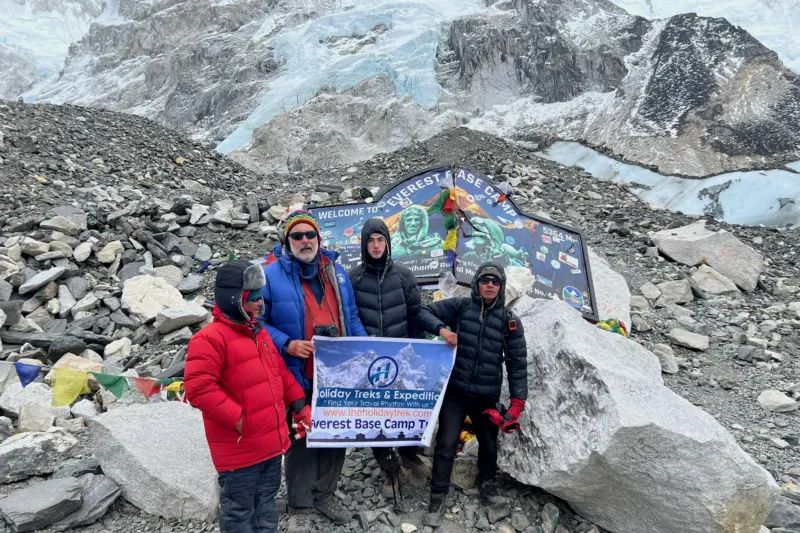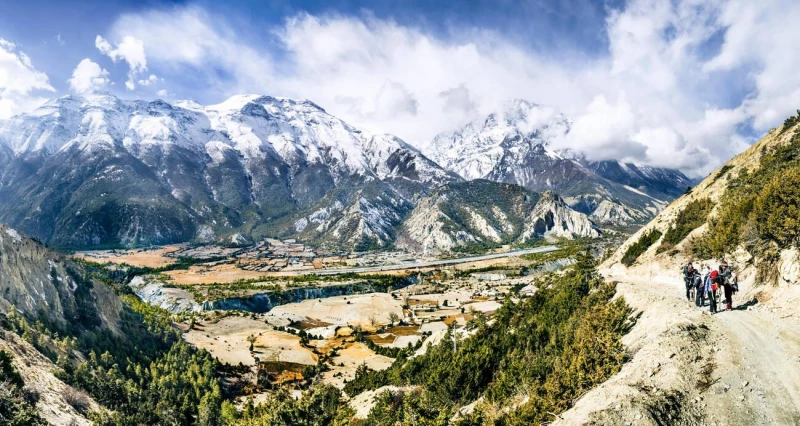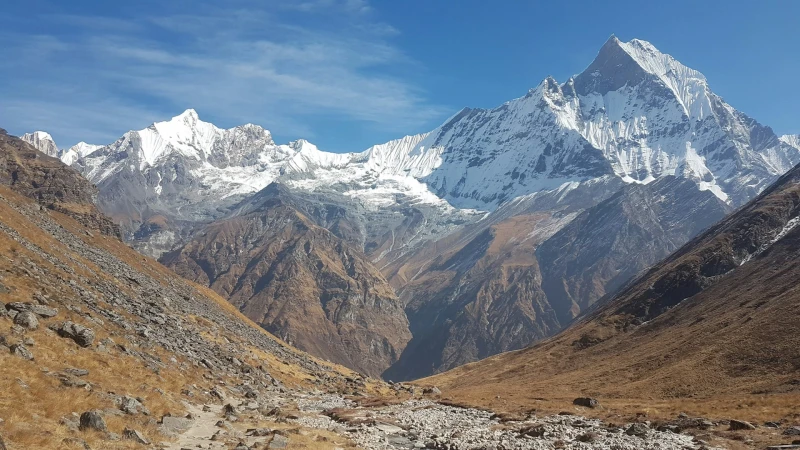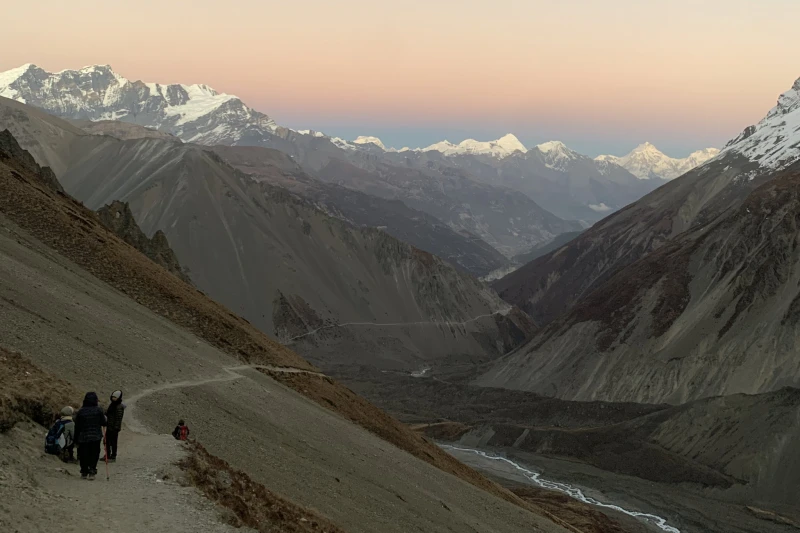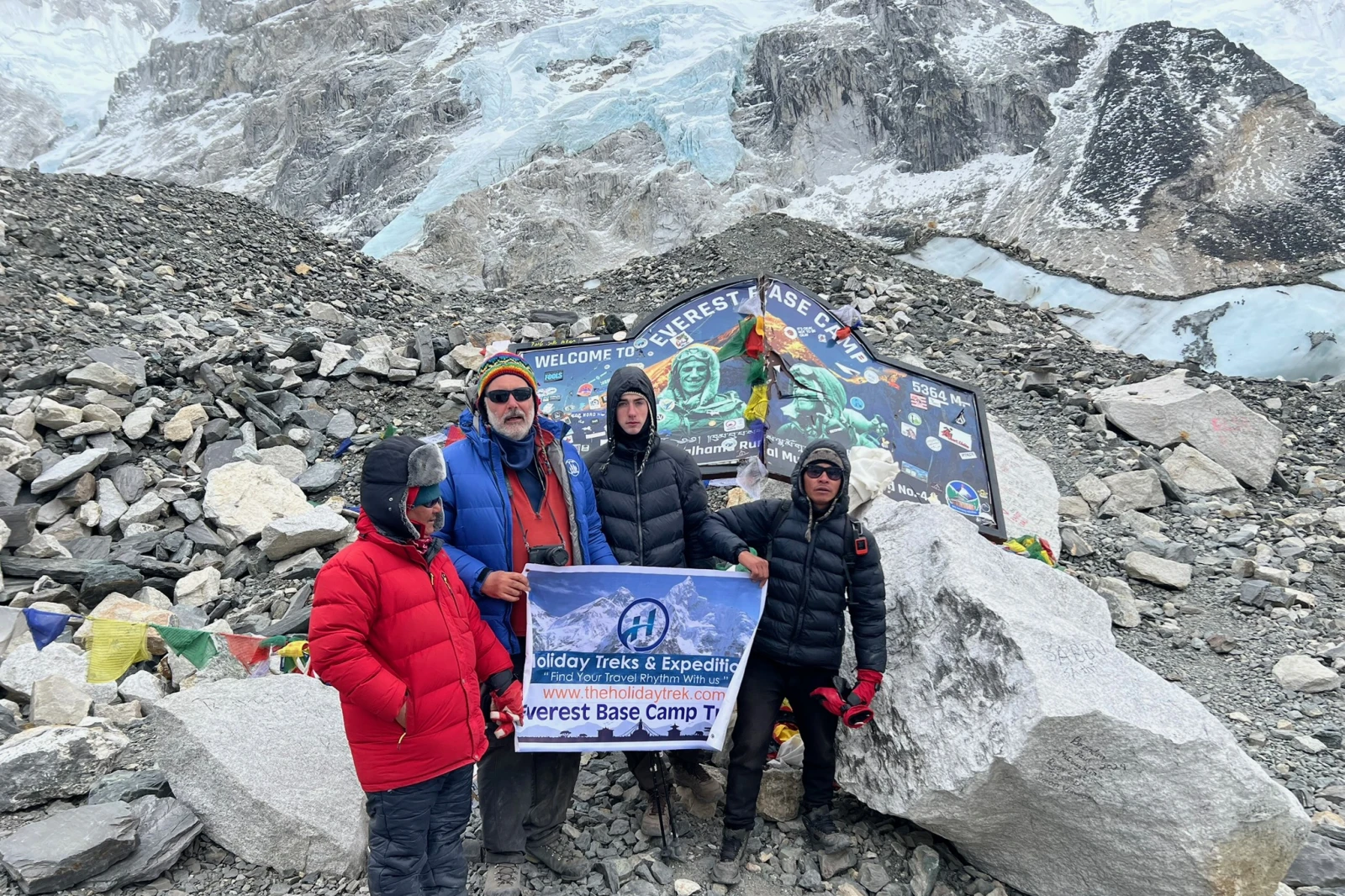
Packing for Everest Base Camp is a balance: warm enough for nights at Gorak Shep (5,164 m), light enough for the porter's weight limit and the small plane to Lukla. This checklist is for the main seasons, spring and autumn. In winter, bring warmer layers. In the monsoon, add more rain protection.
The weight limit
On our Everest Base Camp trek, one porter carries for two trekkers, up to 10 kg per person. The Lukla flight also has a strict limit, usually around 15 kg in total including hand luggage (see our Lukla flights guide). Everything you don't need on the trail can stay at your hotel or at our office in Kathmandu.
Clothing: think in layers
| Item | How many | Notes |
|---|---|---|
| Base layers (top and bottom), merino or synthetic | 2 sets | No cotton: it stays wet and cold |
| Trekking shirts / T-shirts | 2–3 | Quick-dry |
| Fleece or light insulated jacket | 1 | Your main warm layer while walking |
| Down jacket | 1 | For evenings, early mornings and Kala Patthar. Can be rented in Kathmandu |
| Waterproof and windproof jacket | 1 | Wind is the real cold up high |
| Trekking trousers | 2 | One pair can be lightly insulated |
| Waterproof over-trousers | 1 | Essential in spring, useful any time |
| Warm hat and sun hat | 1 each | Plus a buff for dust and cold |
| Gloves | 2 pairs | Thin liners and warm insulated gloves |
| Trekking socks | 4–5 pairs | Wool blend, plus 1 thick pair for sleeping |
| Underwear | 4–5 | Quick-dry |
Footwear
- Trekking boots: waterproof, with ankle support, and well broken-in before you fly. New boots are the most common cause of blisters.
- Camp shoes or sandals: for the evenings in the lodge.
- Gaiters: optional, useful in snow.
Sleeping
- Sleeping bag rated to about -10 °C or colder. Lodges give blankets, but rooms above Namche are unheated. Can be rented in Kathmandu.
- Sleeping bag liner: adds warmth and keeps a rented bag clean.
- Earplugs and an eye mask: lodge walls are thin.
Gear
- Duffel bag for the porter (about 10 kg) and a daypack of 25–35 litres for yourself
- Trekking poles: they save your knees on the long descents
- Headlamp with spare batteries, for early starts and the Kala Patthar sunrise
- Sunglasses with strong UV protection
- Two 1-litre water bottles, or one bottle plus a hydration bladder, with water purification tablets or a filter
- Power bank: charging in lodges costs extra and gets more expensive higher up
- Dry bags or plastic bags to keep clothes dry inside the duffel
Health and hygiene
- Sunscreen (high SPF) and lip balm with SPF
- Personal medicines, plus a small first-aid kit: blister plasters, painkillers, rehydration salts, diarrhoea medicine
- Ask your doctor about altitude medicine, and read our altitude sickness guide
- Hand sanitiser, wet wipes, quick-dry towel, toilet paper (see toilet conditions on the trails)
Documents and money
- Passport and copies, travel insurance details (covering trekking altitude and helicopter evacuation)
- Enough Nepali rupees in cash for snacks, hot showers, charging and tips. Cash machines on the trail are few and not reliable
- Your permits travel with your guide on our treks (see Nepal trekking permits)
Buy or rent in Kathmandu?
| Bring from home | Fine to rent or buy in Kathmandu |
|---|---|
| Boots (broken in), socks, base layers, underwear | Down jacket |
| Personal medicines | Sleeping bag |
| Sunglasses, headlamp | Trekking poles, duffel bag |
Thamel, the area where most trekkers stay in Kathmandu, has many shops that rent and sell trekking gear. Check zips and warmth before you take anything.
What not to bring
- Cotton clothes and jeans
- Lots of "just in case" clothes: you will wear the same layers most days
- Heavy books, large toiletries and valuables you don't need
Next steps: check how hard the trek is in our EBC difficulty and training guide, or see the 14-day Everest Base Camp Trek.