Permits are one of the most confusing parts of planning a trek in Nepal, mostly because the rules have changed several times and the internet is full of out-of-date figures. This guide lists the permits for the main trekking regions, the official fees where they are published, and how it works when you trek with us. Fees are set by the authorities and can change, so treat them as a guide.
Permits by region (foreign nationals, 2026)
| Region | Permits | Fee |
|---|---|---|
| Everest | Sagarmatha National Park entry permit + Khumbu Pasang Lhamu Rural Municipality fee (collected in Lukla) | Park: NPR 3,000 (SAARC NPR 1,500). The municipality sets its own fee |
| Annapurna | Annapurna Conservation Area Permit (ACAP) | NPR 3,000 (SAARC NPR 1,000), tax included |
| Langtang | Langtang National Park entry permit | NPR 3,000 (SAARC NPR 1,500) |
| Manaslu (restricted) | Manaslu Restricted Area Permit, Manaslu Conservation Area Permit, and ACAP for the exit through the Annapurna area | Restricted permit commonly quoted at US$100 for the first 7 days in September–November and US$75 in December–August, plus a daily rate after that |
| Upper Dolpo (restricted) | Upper Dolpo restricted-area permit + Shey Phoksundo National Park | US$500 for the first 10 days, then US$50 per day |
Sources: the national park rates and the under-10s exemption are from the Nepal Tourism Board. The ACAP rate is from the NTNC ePermit portal. Children under 10 enter the national parks free.
Everest region
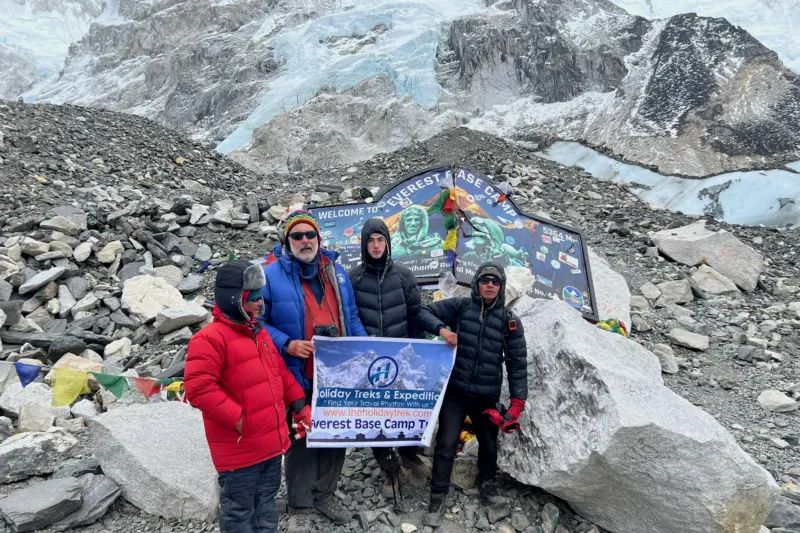
For the Everest Base Camp trek, Gokyo and the Three Passes you need the Sagarmatha National Park entry permit and the Khumbu Pasang Lhamu Rural Municipality fee. The park permit can be bought at the Nepal Tourism Board office in Kathmandu or at the park entrance at Monjo. The municipality fee is collected in Lukla.
Annapurna region
All the classic Annapurna treks, including the Annapurna Circuit, Annapurna Base Camp and Ghorepani Poon Hill, need the Annapurna Conservation Area Permit (ACAP). It is issued in Kathmandu and Pokhara, and can also be bought online through the NTNC ePermit portal, which adds a 2.9% card fee. Upper Mustang is a restricted area with its own special permit.
Langtang region
The Langtang Valley Trek and the Langtang Gosaikunda Trek need the Langtang National Park entry permit.
Manaslu and other restricted areas
The Manaslu Circuit, Tsum Valley, Upper Mustang and Upper Dolpo are restricted areas. Their special permits are issued by the Department of Immigration, only through a licensed trekking agency and only for trekkers with a licensed guide. Fees are in US dollars and depend on the season and the number of days. For Upper Dolpo, see our Upper Dolpo permits and best time guide.
Do I need a guide?
For restricted areas, yes, always. Since 2023, Nepal also requires foreign trekkers in most national parks and conservation areas to trek with a licensed guide arranged through a registered agency, although how strictly this is enforced varies by region. Rules can change from season to season. On all our treks a government-licensed guide is included, so you are covered either way.
What about the TIMS card?
You will read a lot about the TIMS (Trekkers' Information Management System) card. Its rules and fees have changed several times, and which regions check it differs. When you trek with us, we arrange whatever registration is required at the time, so you don't need to sort it out yourself.
What you need to get a permit
- A passport valid for your trip and your Nepal visa
- Passport copies, and a few passport-size photos in case they are asked for
- Your trek dates and route
- Payment in Nepali rupees (park and conservation permits) or US dollars (restricted-area permits)
How it works with Holiday Treks & Expedition
All the permits your trek needs are included in the price, and we arrange them before you start walking. Your guide carries them and shows them at the checkpoints. You only need to bring your passport, and we will tell you if photos are needed for your route. Compare treks and prices on our Everest and Annapurna region pages.