Travel insurance is the least exciting part of planning a trek, and the most important one if something goes wrong. In the mountains of Nepal, an injury or a serious case of altitude sickness usually means a helicopter, and helicopter rescue can cost thousands of US dollars. This guide explains what your policy needs to cover and what to check before you buy. It is general information, not insurance advice: read your own policy wording, and ask the insurer if anything is unclear.
What your policy must cover
| Cover | Why it matters |
|---|---|
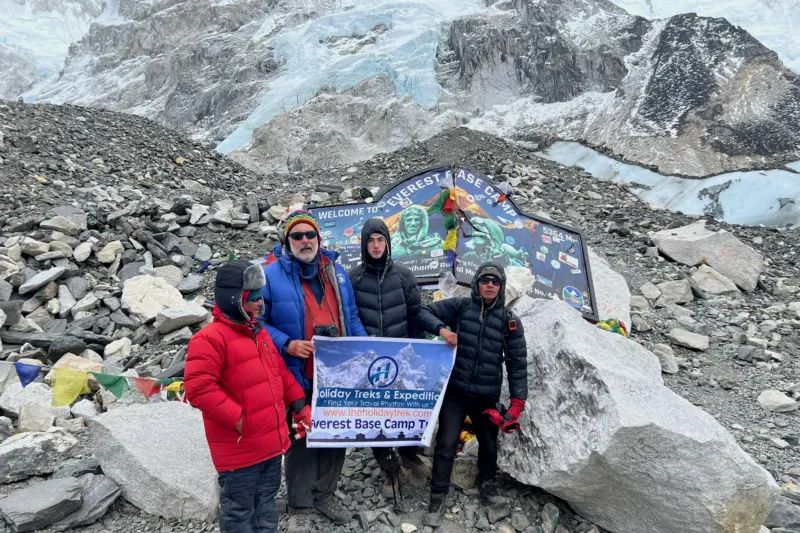
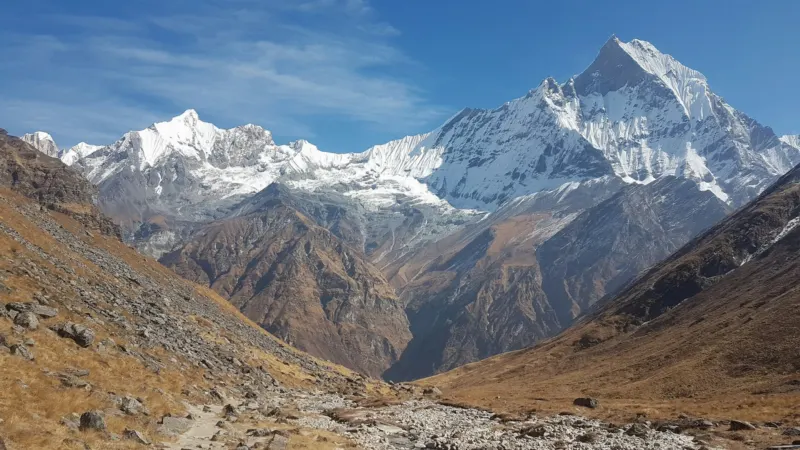
| Trekking up to your maximum altitude | Policies often have an altitude limit. Everest Base Camp reaches 5,545 m (Kala Patthar), the Annapurna Circuit 5,416 m (Thorong La), Annapurna Base Camp 4,130 m |
| Emergency helicopter evacuation and rescue | The main way out of the mountains in an emergency |
| Medical treatment and hospital costs | Including treatment in Kathmandu and, if needed, repatriation |
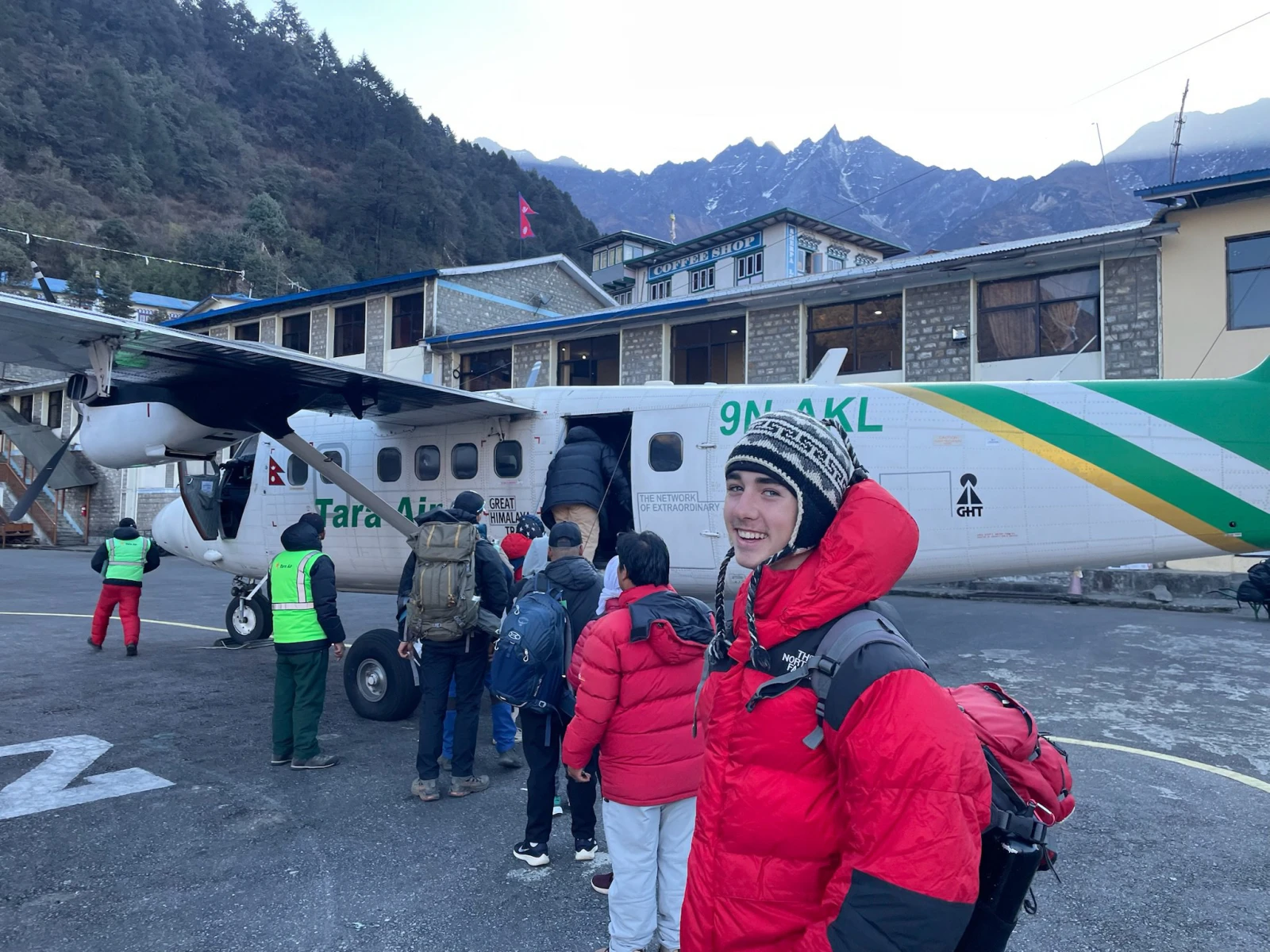
| Trip delay and cancellation | Lukla flights are often delayed by weather (see Lukla flights explained) |
| Baggage and personal items | Useful, but less important than the cover above |
The small print to check
- Altitude limit: make sure the limit is at or above the highest point of your trek, not just the highest night.
- Trekking vs mountaineering: trekking on trails without ropes should be covered as trekking. Peak climbing, such as Island Peak, often needs mountaineering cover.
- Guided trekking conditions: some policies only cover treks with a licensed guide or registered company. On our treks you always have a licensed guide.
- Pre-existing medical conditions: declare them, or the policy may not pay.
- Exclusions: alcohol, ignoring medical advice, or continuing to climb with symptoms can void a claim.
- 24-hour emergency number: check there is one and save it in your phone.
How a helicopter rescue works
If someone needs evacuation, the guide and the trekking company contact the insurer's emergency line, the insurer confirms cover, and a helicopter is arranged, weather permitting. Delays happen when the policy details are missing or the insurer can't be reached, which is why we check your insurance details on day 1 in Kathmandu. If the insurer doesn't confirm, the helicopter company may ask for payment or a guarantee first.
Our guides are trained in wilderness first aid, and our trek leaders can stop someone from continuing if they are unwell. Read our altitude sickness guide to understand when descent or evacuation becomes necessary.
Before you leave home: a checklist
- Policy covers trekking to the highest altitude on your itinerary
- Helicopter evacuation and medical costs are included, with a high enough limit
- Trip delay and cancellation cover is included
- Medical conditions are declared
- Policy number and 24-hour emergency number are saved on your phone and printed
- A copy is with you in Kathmandu: we check your insurance details on day 1
Insurance on our treks
Travel insurance is not included in our trek prices, and it is compulsory for high-altitude treks such as Everest Base Camp. On day 1 in Kathmandu we check your insurance details together with your other trek requirements. Our own guides and porters are insured by us.
Planning your trek? See our Nepal trekking permits guide and the Everest Base Camp packing list.